
-
How to Create an NWF-Certified Wildlife Habitat
The National Wildlife Federation has a really effective educational program that allows people to certify a home, school, church, or business garden as a wildlife habitat garden. Why is this educational? Because in the process of certification, you learn a lot about how to create a mini ecosystem in your garden. Then, once you’re certified, everyone…
-
Pruning Ornamental Grasses: The Ultimate Guide
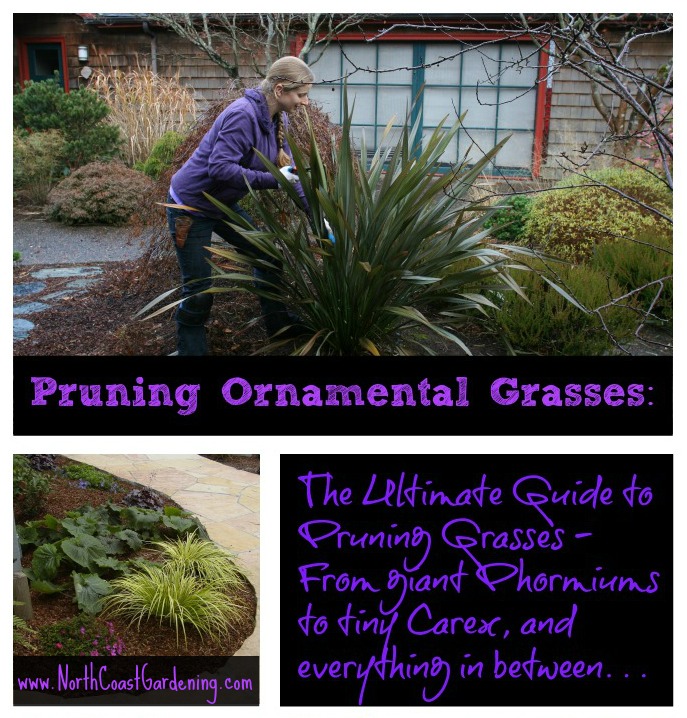
When it comes to pruning ornamental grasses, even an ordinarily confident gardener can feel some confusion. Each type of grass has different requirements, which makes it hard because there’s not one rule of thumb which fits all. While some varieties look shaggy and sad if not whacked to the ground each January, for other types of grass this…
-
How to Make Your Own Christmas Wreath
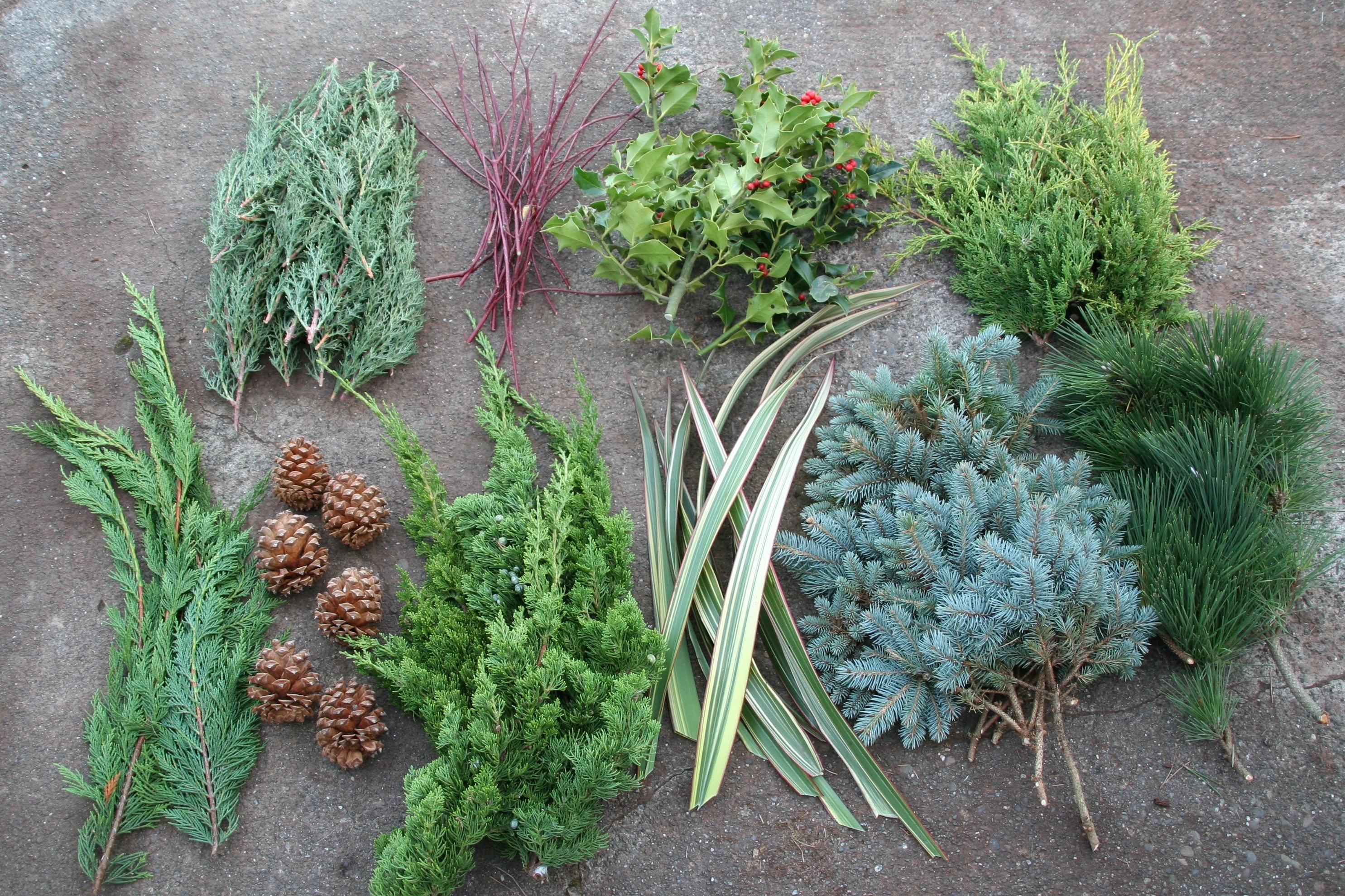
Now that Thanksgiving is properly over, we can start thinking about Christmas without everybody groaning. This is especially good news to me, since I love whistling Christmas carols year-round. Finally! The one month of the year I can whistle my rousing rendition of Jingle Bells without causing raised eyebrows. There is so much that I…
-
What Birds Need in Winter: Creating a Year-Round Habitat Garden
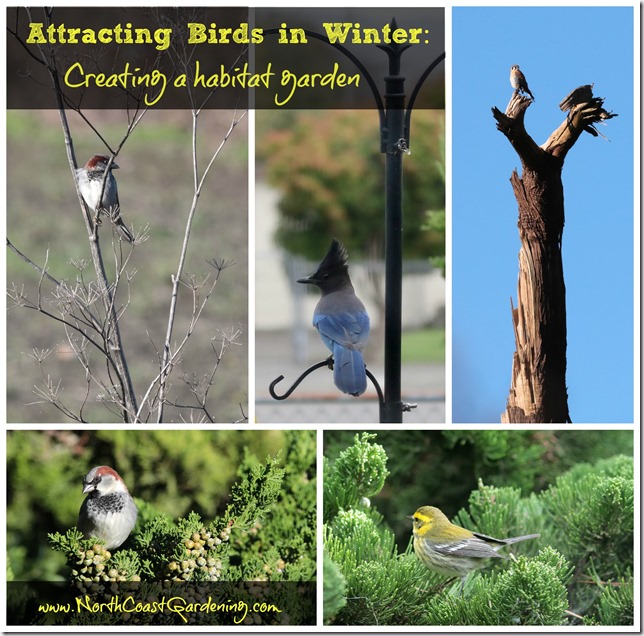
When attracting birds to the garden, we often think of setting out some bird feeders and maybe a bird bath. But like us, wild birds need a variety of things to thrive, and especially in inclement weather. As we lose many of our natural lands to development, supporting local and migrating birds through all of…
-
Using Succulents to Evoke Water: The Water-Saving Garden Book
Lawn Gone! author Pam Penick has a new book out, The Water-Saving Garden, about – you guessed it – designing gorgeous, colorful landscapes that don’t rely on water to look good. Though I’ve read a couple of garden books on saving water in the past, none has done such a good job of addressing a wide…
-
How to Prune Evergreen Perennials: Lady’s Mantle, Hellebores and more
For most flowering perennials, autumn’s brown foliage and obvious dieback make it clear you can prune without harm, but evergreen perennials pose a special dilemma: trim now, or hold off till spring? Turns out, there are good reasons to leave herbaceous evergreen plants standing through the winter: not only do they provide greenery (or sculptural…
-
Medieval Medlars: Get to Know and Grow this Unusual Fruit
Guest post by Stella Otto, author of The Backyard Orchardist and the The Backyard Berry Book. What is this odd fruit, the medlar, mentioned often by Shakespeare and Chaucer? What is it that prompted Don Quixote and Sancho Panza to “stretch themselves out in the middle of a field and stuff themselves with medlars,” in…
-
Photographing the Leaves of Fall: with Saxon Holt (Book Giveaway!!)
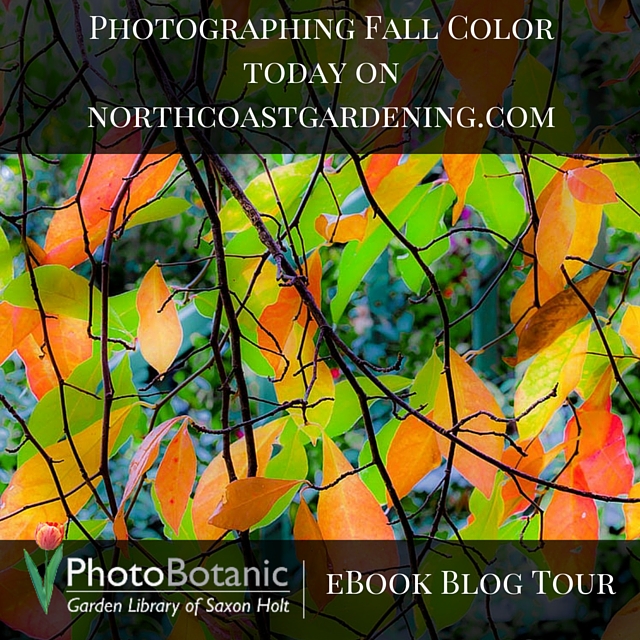
If you’ve been reading North Coast Gardening for any amount of time, you’ve heard me rave about the photography of Saxon Holt. He’s a garden photographer whose work has totally changed how I approach taking pictures, not only of plants and gardens but of other subjects as well. Because according to him, a photograph of a…
-
Summer Recipe: Roasted Corn with Cilantro Chili Salt
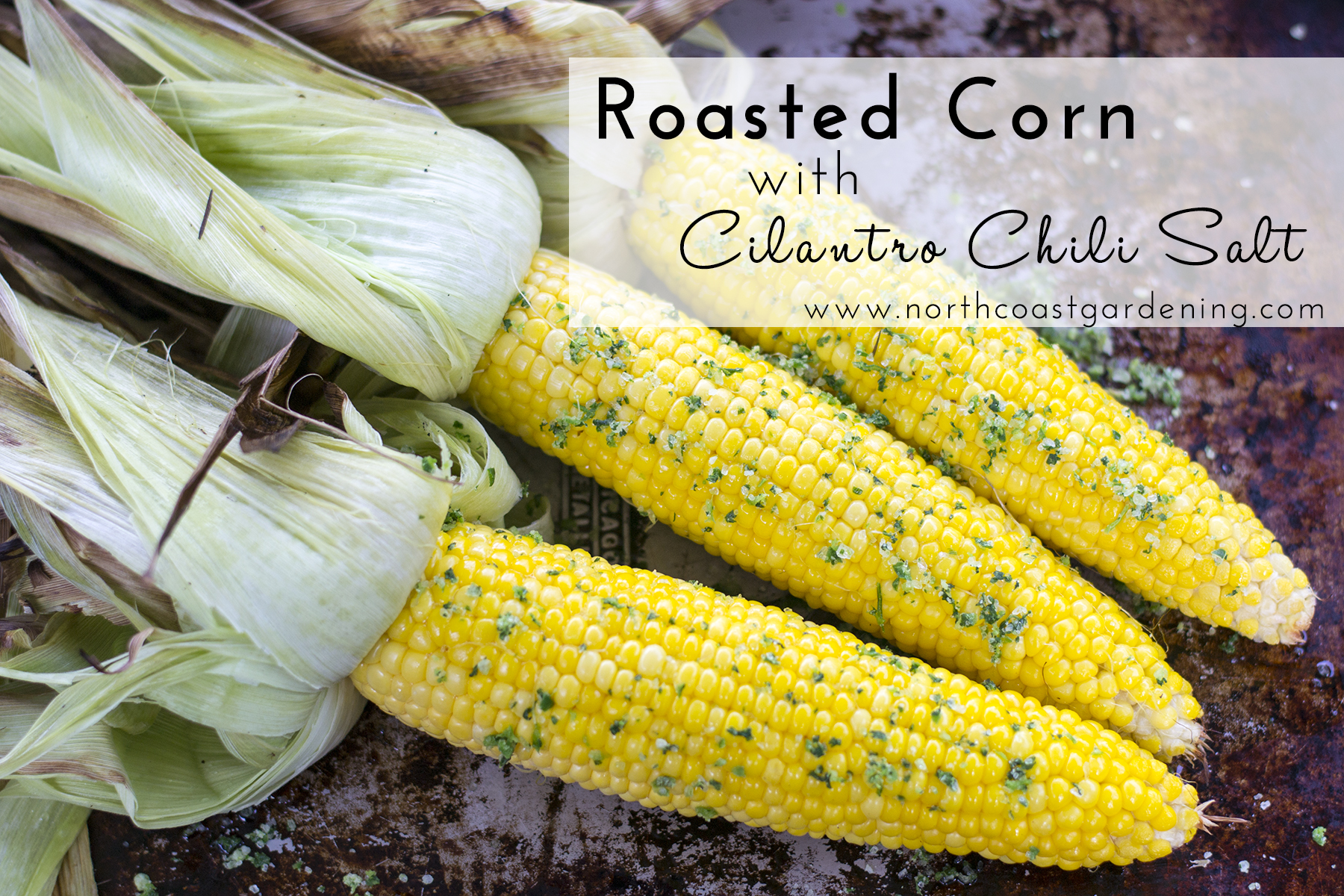
What’s the best part of a summer cookout? Anything cooked on the grill of course! Who says that only proteins get prime real estate on the grates? Grilling vegetables infuses a wonderful smoky, charred taste that’s hard to replicate on the stove. One of the best veggies to grill is corn. Grilling corn in its…
-
Attracting Birds to the Pacific Northwest Garden
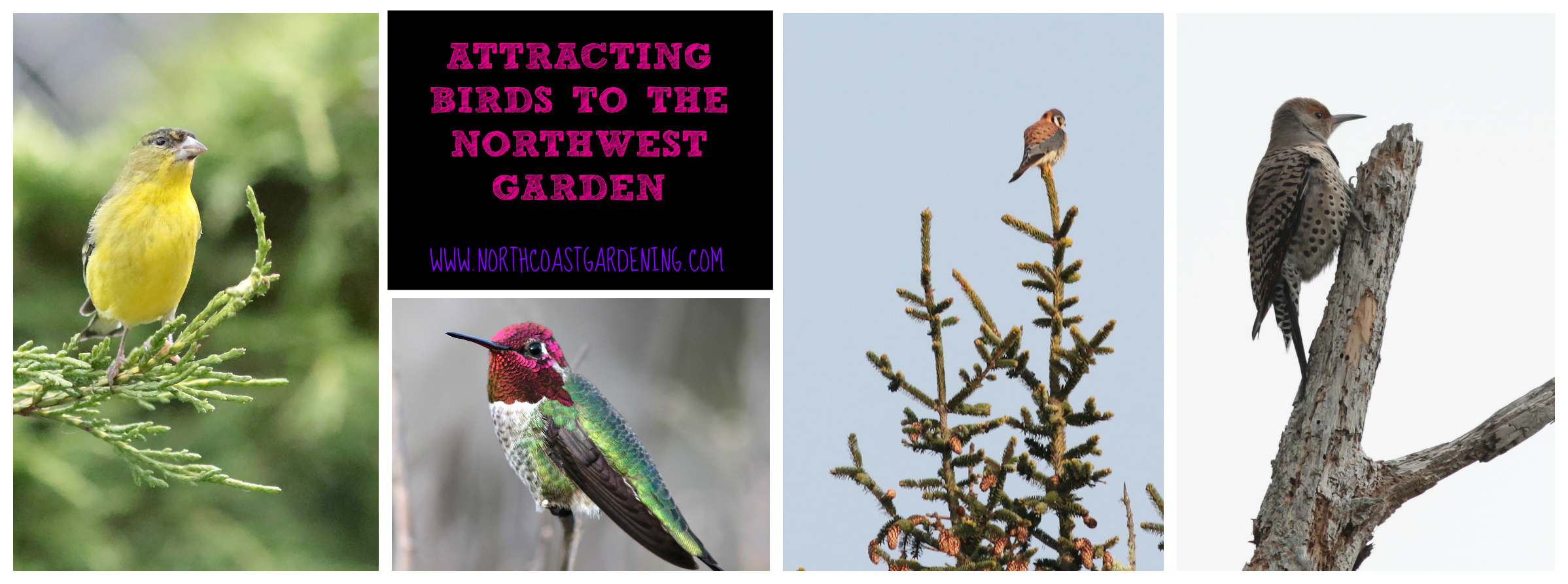
Watching birds swoop and listening to them sing are some of the many joys of gardening. But hanging up a few feeders isn’t enough to create a true backyard habitat for birds; inviting them to come and “stay a spell” takes careful consideration of their needs. So what exactly do you need to do to keep birds hanging…
-
The Many Faces of Coreopsis: New Varieties to Love
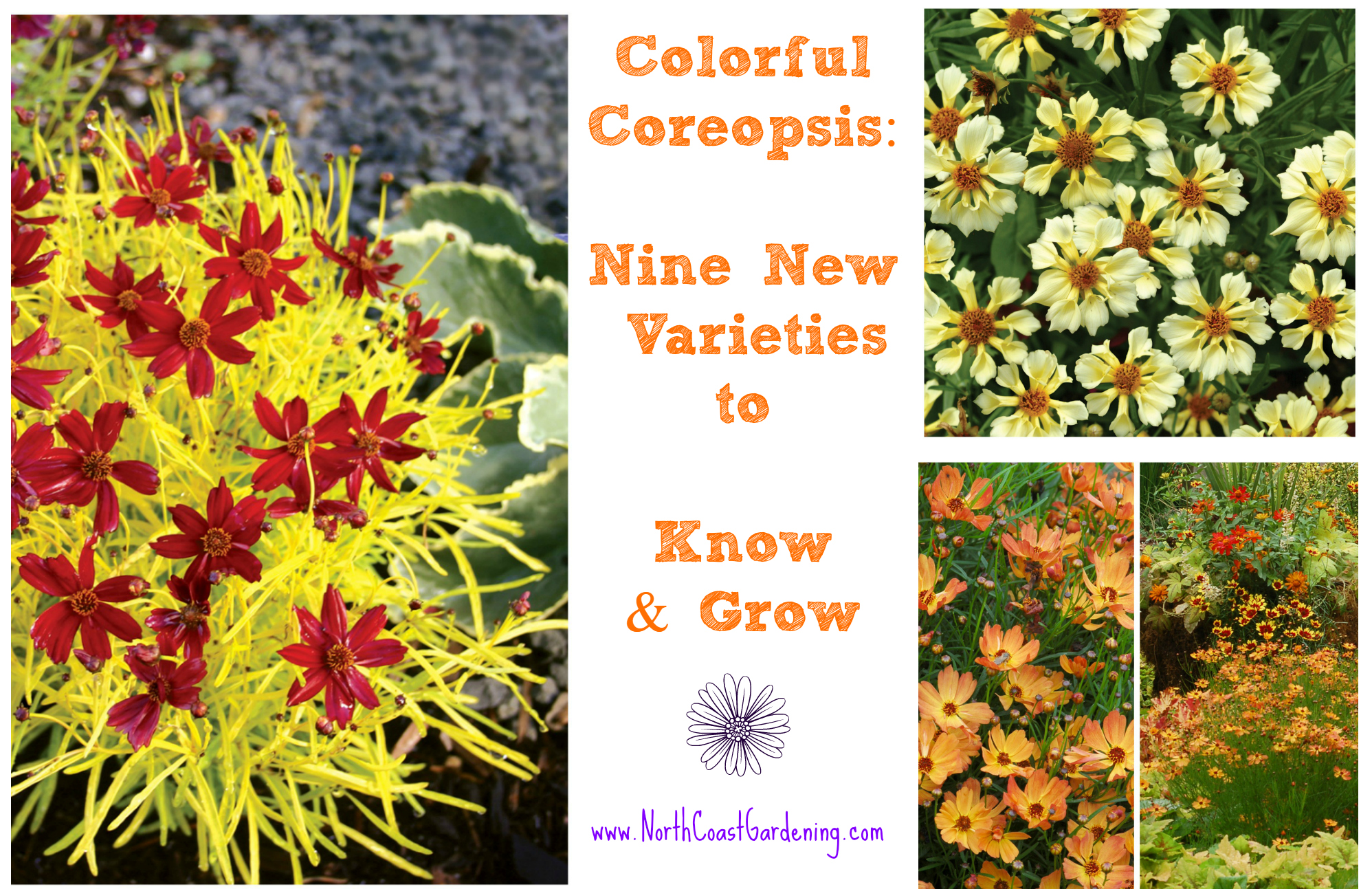
Coreopsis is a staple of the traditional flower garden because it’s long-blooming, easy to grow, and the profuse little daisy-like flowers can cheer up anyone if they’re having a bad day. Yet most people haven’t looked beyond the old-school varieties to learn about the wide array of colors available in this favorite, adaptable plant. These…