-
How to Make Your Own Christmas Wreath
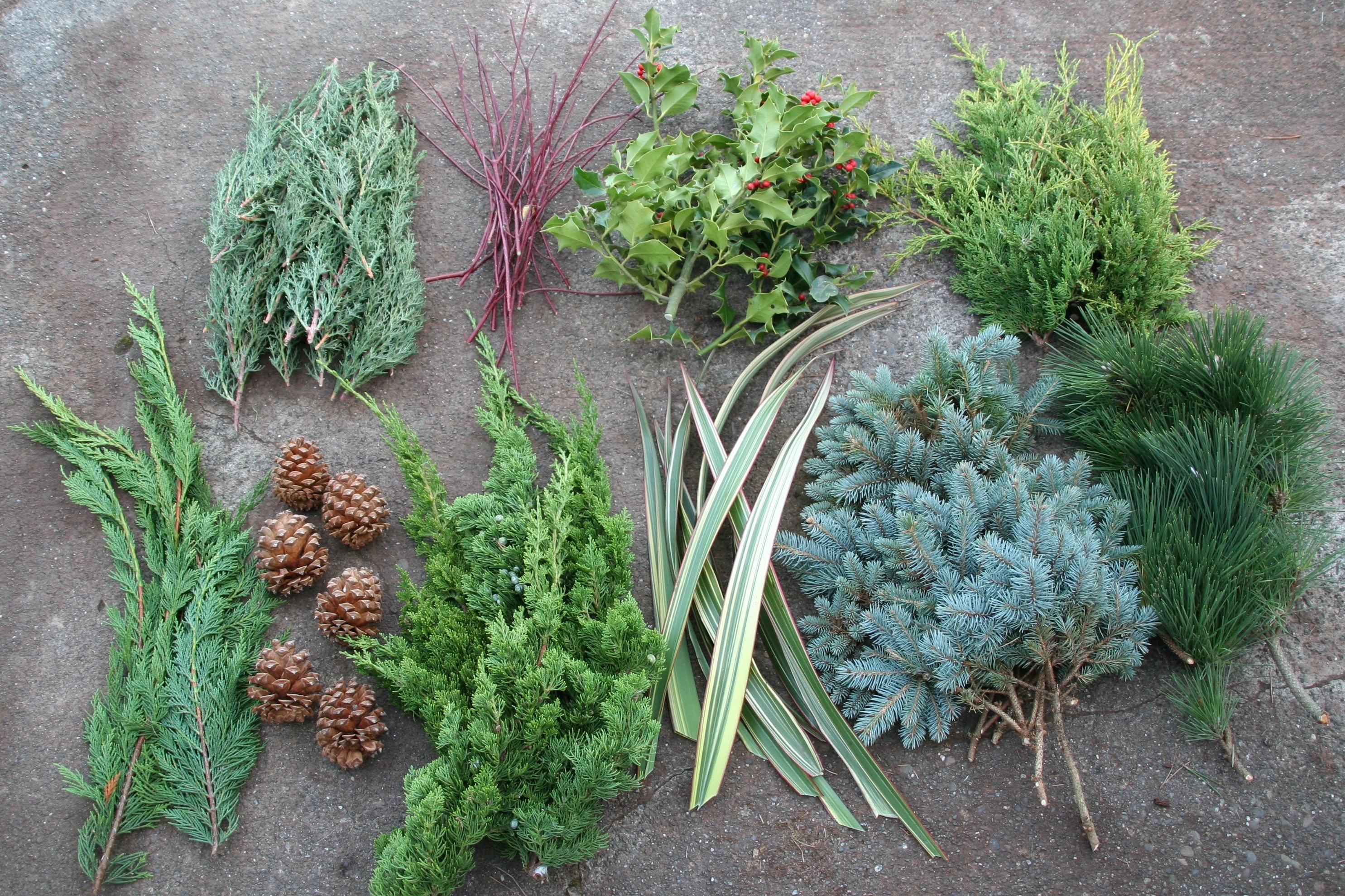
Now that Thanksgiving is properly over, we can start thinking about Christmas without everybody groaning. This is especially good news to me, since I love whistling Christmas carols year-round. Finally! The one month of the year I can whistle my rousing rendition of Jingle Bells without causing raised eyebrows. There is so much that I…
-
How to Make Liquid Fertilizer from a Granular Organic
After sharing recipes for making your own granular organic fertilizer from inexpensive bulk ingredients, I’ve gotten a number of questions from readers asking how to convert a dry organic fertilizer into a liquid. Why would you want to? Liquid fertilizer is fast-acting. A liquid fertilizer can be faster acting than a dry or granular fertilizer,…
-
Prune Your Hellebores: A Public Service Announcement
Lenten roses, Helleborus orientalis, are gorgeous in winter. They’re gorgeous in spring, too. But if you don’t deadhead them once they’re done blooming, they stop being gorgeous and start looking ratty. Then, they turn into spawning hellcats, dropping masses of seeds that sprout into masses of tiny, slow-growing, hard-to-remove seedlings that, yes, could theoretically turn…
-
How To Gopher-Proof an Existing Raised Bed (Photo Tutorial)
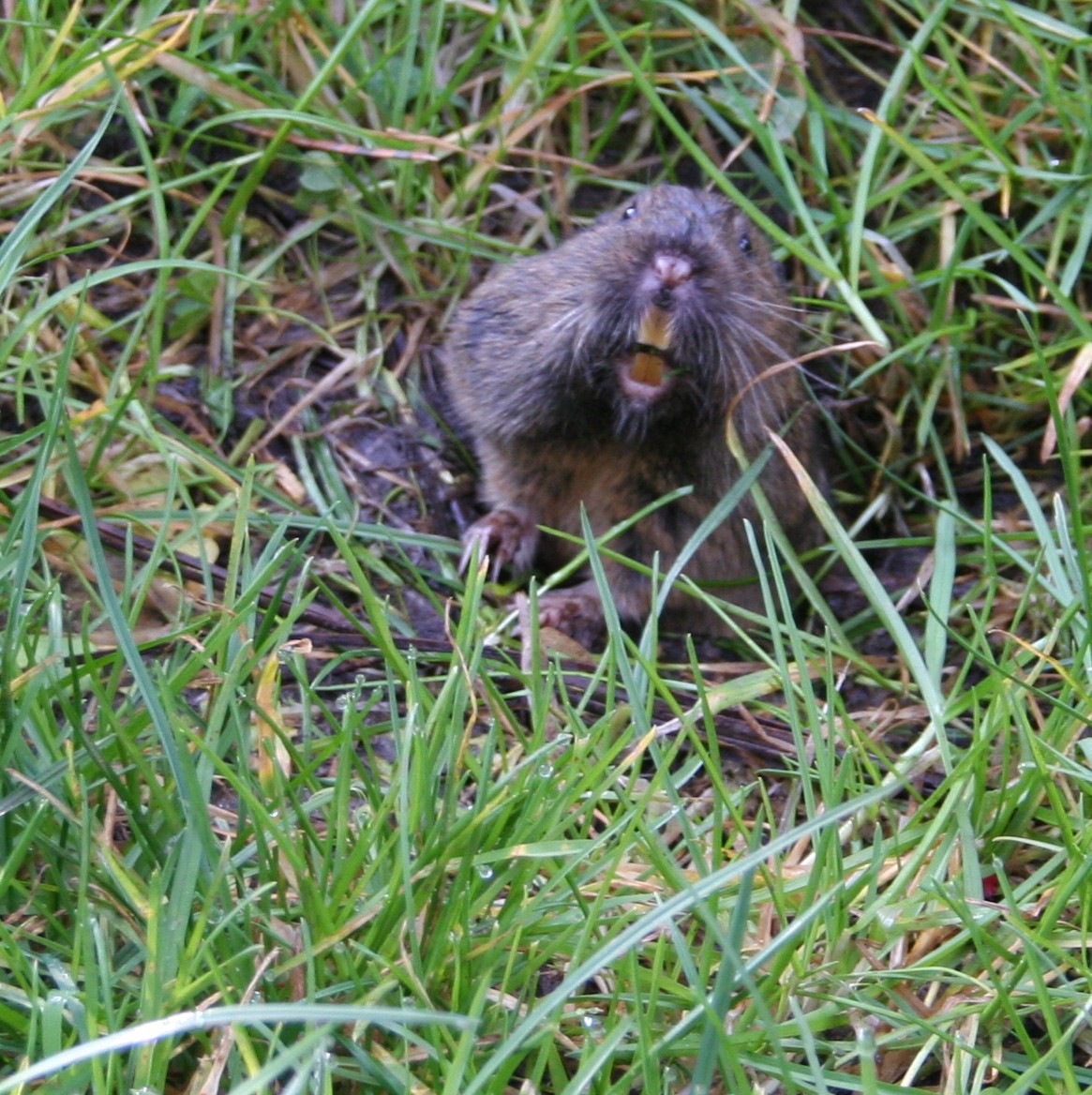
Ah, gophers. So cute, with their cheeks stuffed with grass and their little burrowing ways. Yet so destructive to our vegetable beds. A client finally got tired of having her beets, lettuces, and other delicious veggies cruelly snatched away by Mr Gopher juuust when they were looking ready to harvest. So we were called in…
-
Homemade Christmas Gifts For You Procrastinators Out There
Wow, so here it is, almost Christmas, and you don’t have presents for anyone. Whoops! I guess that plan to learn to knit and make everyone personalized sweaters will have to wait till next year. But you don’t want to be a sell-out to materialism and just get a gift card for all your loved…
-
Professional Tips for Using Landscape Fabric Right
I’m no fan of landscape fabric, but I accept that it can be a useful tool in the garden in a few select circumstances. I go into how to decide whether landscape fabric is a good choice for you in this article, but if you’ve decided to use it, I wanted to provide you with…
-
Worm Compost: A Fictional FAQ for Vermicomposting
I’ve gotten a few questions lately about vermicomposting -composting in a small bin using worms. Folks seem to know that worm castings rock, and they are really expensive to buy. Other folks want worms for fishing. And still others just want a simple way of keeping their veggie scraps out of the landfill. So I…
-
For All You Pros: How to Lift a Wheelbarrow Into Your Truck Even if You’re a Wimpy Girl Like Me (An Article in Pictures)
Since we’ve been discussing mulching, I thought this tip might be helpful for those of you who are mulching for other people, like me! I don’t know about ya’ll, but for a long time there, I was risking life and limb getting my dratted wheelbarrow up into my truck to take to clients’ homes on…
-
Gardening Basics: How to Apply Mulch
We’ve talked about why a thick layer of mulch, composty soil, and good watering habits are important if you want to garden more organically; it’s all about giving your plants a foundation of good health so that pest problems will be few and far between. Today we’ll talk specifically about mulch: what it is, what…
-
The Winter-Interest Secret Most Gardeners Forget: or How to Attract Birds
Winter interest is the Holy Grail for us gardeners, and we spend an inordinate amount of time planning out which cool foliage plant or winter bloomer we’ll tuck in. Don’t get me wrong, I’m a sucker for that year-round interest too – but there is another source of excitement during the darker months – birds!…
-
Backyard Chickens – Five Reasons You MUST Try Them, and Two Reasons Why Not
1. They make charming pets! I love their happy little chortles when they see us, and if you want them to love you forever, a bit of leftover rice or lettuce goes down a treat. They’re great gardening companions, too. Esther, above, likes to stay close when I’m digging so she can have first crack…